
Academic
Additional Educational Needs at CBC

Every child is different, and no two students learn at exactly the same pace. If you feel your child may need additional educational support, we encourage you to get in touch to discuss your concerns.
You can contact any of the following:
- Your child’s subject teacher
- Class Tutor
- Year Head
- Guidance Counsellor
- The school’s Additional Educational Needs Co-ordinator
- School Management
You can contact any of the following:
- Your child’s subject teacher
- Class Tutor
- Year Head
- Guidance Counsellor
- The school’s Additional Educational Needs Co-ordinator
- School Management
How we identify students with Additional Educational Needs
CBC identifies students who may need additional support through a range of sources, including:
- Feedback from primary school
- Feedback from parents/guardians
- Teacher referrals
- In-school standardised testing
- School tests and reports
- Student self-referral
- Professional assessments and reports
What Are Additional Educational Needs?
Additional Educational Needs are specific difficulties that can make it harder for a student to achieve success as easily as their peers. With the right support, these students can reach their full potential. Such needs may include, but are not limited to:
- Specific learning difficulties, e.g. dyslexia and dyscalculia
- General learning difficulties of varying degrees
- Speech and language difficulties
- Physical difficulties, e.g. cerebral palsy, developmental co-ordination disorder and dyspraxia
- Visual, cognitive or hearing impairments
- Autism Spectrum Disorder (ASD), including Asperger’s Syndrome
- Down Syndrome
- Attention Deficit (Hyperactivity) Disorder (ADD/ADHD)
- Emotional disturbance, anxiety disorders or behavioural disorders
- Medical or health issues
How AEN Resourcing Works
The Department of Education and Skills provides CBC with an Additional Educational Needs Teaching Hours Allocation (Special Education Teaching Hours), Special Needs Assistants (Inclusive Support Assistants), ICT and other specialised equipment for students with AEN. These resources are allocated based on the needs and profile of the school as a whole.
Supports Available to Students
Support is tailored to each student’s needs and depends on the resources available. It may include:
- Additional numeracy and literacy support through one-to-one or small-group resource classes
- Team-teaching in mainstream classes
- A modified curriculum
- Exemption from the study of Irish, in line with current Departmental guidelines
- Special Needs Assistants (Inclusive Support Assistants)
- IT equipment*
- Liaison with outside agencies
- Reasonable Accommodations in the State Certified Examinations (RACE scheme)
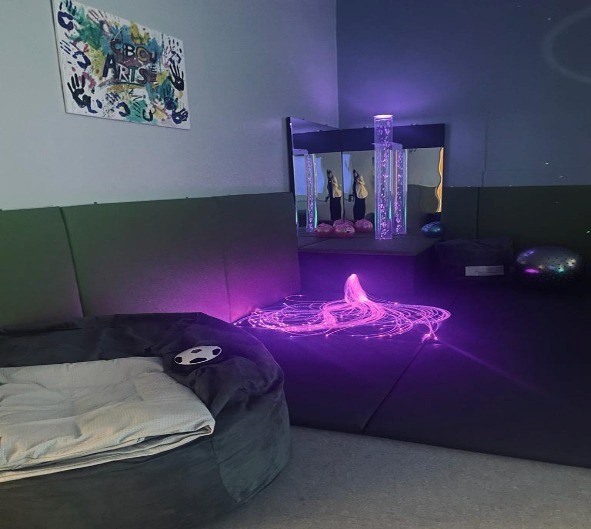
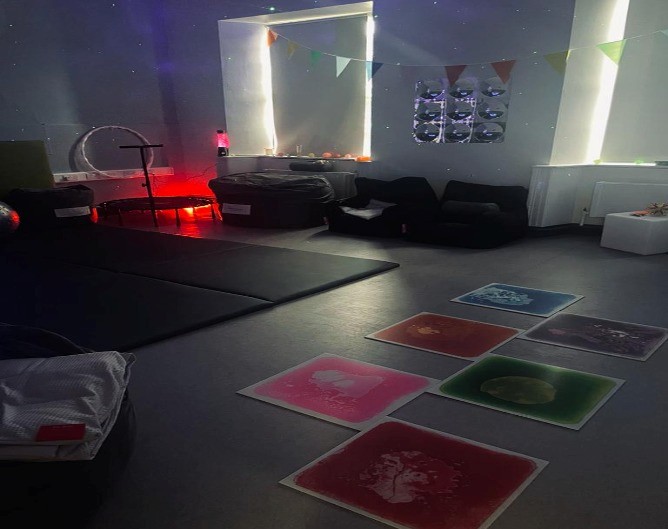
- Supervised use of our Sensory Room or quiet space, Seomra Suaimhneas (Room B-3-2)
*The school applies to the local Special Educational Needs Organiser (SENO) for the identified appropriate IT support, guided by each student’s psychological and/or occupational therapy reports. The SENO’s decision is communicated to the school and the Department, which then approves the relevant support. With parental/guardian consent, the school can then put these supports in place.
Contact
For all queries relating to Additional Educational Needs and supports at CBC, please contact Ms A. Duffy, Additional Educational Needs Co-ordinator, at aen@cbcmonkstown.ie
In welcoming applications on behalf of boys with special educational needs, the school will use the resources, both financial and personnel, provided by the Department of Education & Science, to make reasonable provision and accommodation for all such students and will ensure that these students are free to participate in the life of the school in so far as is reasonably practicable. While recognising and fully supporting parents rights to have a school of their choice for their children, the schools ability to accept boys with particular needs is dependent on the resources, suitable to the needs of the individual students, being supplied by the Department of Education & Science.
School management and parents must cooperate, from the earliest possible time, to establish the special educational needs of the student and the resources required to meet those needs and the submission of a well-researched request to the Department of Education & Sciences Special Education Needs Organiser (SENO) seeking the allocation of appropriate resources. Parents are encouraged to contact the school well in advance of the admissions process should they feel that their son has special education needs as considerable delays have been experienced by schools in receiving a response from the Department of Education & Science to a request for special resources.
In making provision for special educational need students the following information is required.
Has the student had access to any of the following resources:
- Special needs assistant or classroom assistant.
- Special class
- Help, for specific needs, from any resource teacher
- Assistance with behavioural modification.
- Psychological assessment. Report to be provided.
- Any additional resources to help with their special needs
- Help in areas including, visual impairment, hearing impairment, general learning disability or emotional disturbance.
- Any resource in relation to travel or mobility etc.
If an expert report is provided, it should include a workable strategy for addressing the needs, allowing for the resources available.
The Board of Management, having gathered all relevant information and professional documentation, assesses how the needs of the special needs students can be met.
Final confirmation of a place may, in exceptional cases, have to be withheld until the Department of Education and Science confirms that the necessary resources are to be allocated.
In exceptional cases, even with additional resources provided by the Department of Education & Science, the school may not be able to provide an appropriate education due to the nature of a particular students special educational needs.